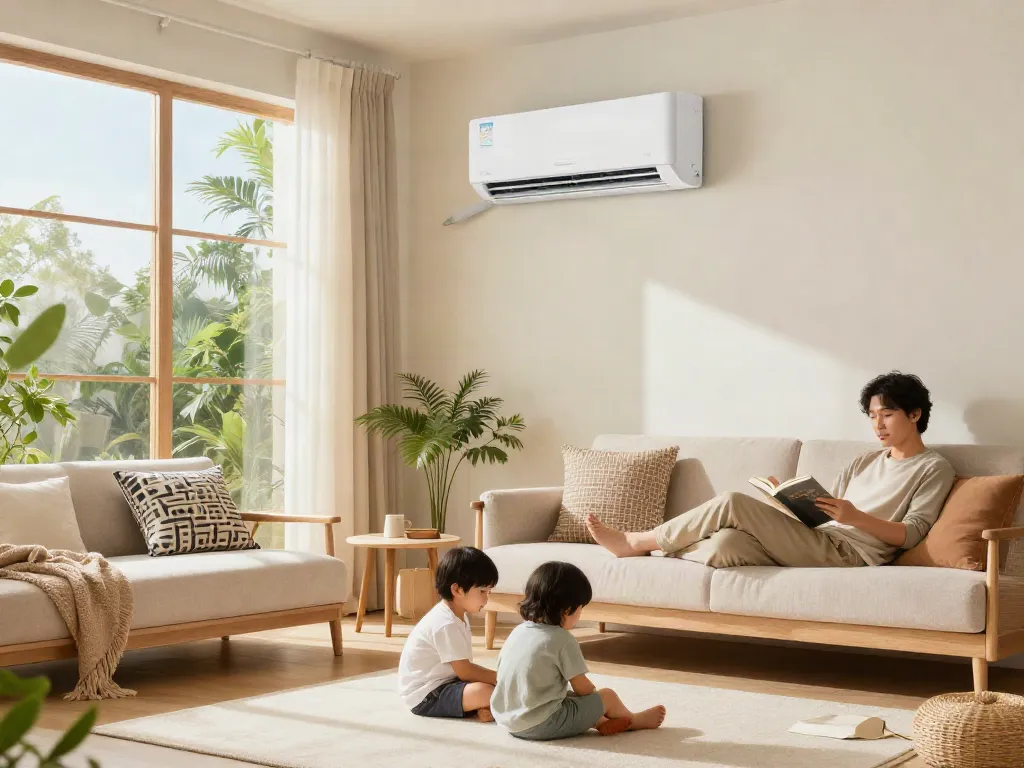
Understanding Ductless Air Conditioner Mini Systems
Ductless air conditioner mini systems, often known as mini-splits, are a modern solution for efficient heating and cooling in residential and commercial spaces. Unlike traditional HVAC systems that rely on ductwork, ductless systems offer flexibility and individual room control, making them an appealing option for many homeowners. When exploring options, ductless air conditioner mini systems stand out for their energy efficiency and ease of installation, especially in homes lacking existing duct systems.
What is a Ductless Air Conditioner Mini?
A ductless air conditioner mini, commonly referred to as a mini-split system, consists of an outdoor compressor unit and one or more indoor air-handling units. These systems operate independently, allowing for targeted cooling and heating in specific zones or rooms of a building. The absence of ductwork not only simplifies installation but also enhances energy efficiency since no energy is lost through ducts.
Key Components and Technology Explained
The main components of a ductless mini-split system include:
- Outdoor Unit: This unit houses the compressor, condenser, and fan. It is installed outside the home and is responsible for releasing heat absorbed from the indoor environment.
- Indoor Unit: Mounted on walls or ceilings, these units circulate air into the room. They come in various styles, including wall-mounted, ceiling-mounted, and floor-mounted options.
- Refrigerant Lines: These insulated lines connect the indoor and outdoor units and carry the refrigerant needed for cooling and heating.
- Thermostat: Each indoor unit typically features its own thermostat, allowing for individualized temperature control.
Benefits of Choosing Ductless Systems
Ductless air conditioner mini systems offer numerous benefits, making them a popular choice among homeowners:
- Energy Efficiency: These systems can significantly reduce energy costs, as they operate independently and target only the areas that require heating or cooling.
- Flexibility: With various indoor unit styles available, ductless systems can be installed in diverse locations, making them suitable for a variety of spaces.
- Improved Air Quality: Ductless mini-splits utilize advanced filtration systems to enhance indoor air quality, trapping allergens and pollutants.
- Quiet Operation: The outdoor unit functions quietly outside, while indoor units produce minimal noise, contributing to a peaceful indoor environment.
Installation Considerations for Ductless Air Conditioners
Professional vs. DIY Installation: Which is Right for You?
While some homeowners might consider a DIY installation of a ductless air conditioner mini system, it is often advisable to hire a professional for optimal performance and safety. Professionals can ensure proper sizing and placement, which are crucial for system efficiency. DIY installations may save money initially but can lead to complications down the line without professional expertise.
Optimal Placement and Room Configuration Tips
To maximize efficiency and effectiveness, proper placement of indoor units is essential. Key considerations include:
- Install units in areas where airflow is unobstructed to ensure even distribution of cool or warm air.
- Mount units high on the wall to take advantage of rising hot air and facilitate better cooling.
- Position indoor units away from direct sunlight or heat-producing appliances to improve performance.
Common Installation Mistakes to Avoid
When installing a ductless air conditioner mini system, avoid these common pitfalls:
- Improper sizing of units can lead to decreased efficiency and inadequate temperature control.
- Neglecting to insulate refrigerant lines can result in energy loss and reduced performance.
- Ignoring manufacturer guidelines can void warranties and lead to installation errors.
Efficiency and Maintenance of Ductless Air Conditioner Mini Systems
How to Maximize Energy Efficiency
To ensure your ductless air conditioner mini operates efficiently:
- Regularly clean or replace filters to maintain optimal airflow and efficiency.
- Utilize programmable thermostats to adjust settings based on occupancy and time of day.
- Seal any gaps around the indoor unit to prevent air leaks.
Essential Maintenance Practices for Longevity
Routine maintenance is vital for extending the lifespan of your ductless system:
- Schedule annual professional servicing to check refrigerant levels and inspect the system.
- Keep the outdoor unit free of debris, such as leaves and snow, to ensure proper airflow.
- Clean the indoor unit and filters frequently to prevent dust accumulation.
Signs Your Ductless AC Needs Repairs
Monitor your system for signs that repairs are needed:
- Unexpected increases in energy bills can indicate inefficiencies.
- Strange noises, such as grinding or hissing, may signal mechanical issues.
- Inconsistent temperatures across different rooms suggest potential system malfunction.
Comparing Ductless Air Conditioner Mini Options
Top Brands and Models in 2026
As of 2026, several manufacturers lead the market with innovative offerings:
- Senville: Known for its cutting-edge technology and energy-efficient models.
- Pioneer: Offers a range of mini-splits that cater to diverse needs and settings.
- Fujitsu: Renowned for durability and performance, with models designed for extreme temperatures.
Cost Analysis: Initial Investment vs. Long-term Savings
Investing in a ductless air conditioner mini system typically involves higher upfront costs compared to traditional systems. However, the savings in energy bills, along with potential rebates for energy-efficient systems, can make them more economical in the long run.
User Reviews and Feedback Insights
When evaluating potential ductless systems, user reviews provide invaluable insights into performance and satisfaction levels. Consider feedback on:
- Ease of installation and setup
- Long-term reliability and maintenance requirements
- Customer service experiences from manufacturers
Future Trends in Ductless Air Conditioning Technology
Innovations to Watch in 2026 and Beyond
The ductless air conditioning industry is evolving rapidly, with technological advancements focusing on sustainability, efficiency, and user experience. Future innovations may include:
- Enhanced inverter technology for even greater energy savings.
- Integration with smart home systems for improved user control and convenience.
- Advanced filtration systems that utilize UV light to purify indoor air.
Smart Home Integration Capabilities
As smart home technology becomes increasingly popular, many ductless systems now offer connectivity with home automation platforms. This allows users to control their air conditioning systems remotely, set schedules, and monitor energy consumption from their smartphones.
Environmental Considerations and Sustainability
With a growing focus on sustainability, the ductless air conditioning industry is prioritizing eco-friendly refrigerants and energy-efficient designs. These efforts not only benefit the environment but also align with consumer demand for greener products.
Frequently Asked Questions
What is a ductless air conditioner mini?
A ductless air conditioner mini, or mini-split, is a compact heating and cooling system that operates without traditional ductwork, offering flexible climate control for specific areas of a home.
How do I maintain my ductless air conditioner mini?
Regular maintenance includes cleaning filters, scheduling professional inspections, and ensuring unobstructed airflow around indoor and outdoor units.
What are the benefits of using a ductless system?
Key benefits include energy efficiency, flexibility in installation, improved air quality, and quiet operation, providing a comfortable environment year-round.
Can I install a ductless air conditioner mini myself?
While DIY installation is possible, professional installation is recommended for optimal performance, safety, and warranty protection.
What are the costs associated with ductless air conditioner mini systems?
Costs can vary based on unit size, brand, and installation, but many homeowners find that energy savings offset the initial investment over time.